Replanting Oaks
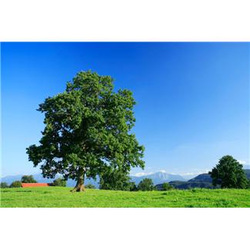
The old nurseryman’s saying, "dig a $40 hole for a $20 tree," is not just a cliché. To grow to their fullest potential, a new plant needs room, so now is not the time to cut corners.
For B&B and container-grown — dig a hole at least twice as wide as and no deeper than the root ball or container. The bottom of the hole should be flat.
A bare-root plant will need a smaller hole, but it still must be big enough so that the roots are not crowded.
For B&B and container-grown — dig a hole at least twice as wide as and no deeper than the root ball or container. The bottom of the hole should be flat.
A bare-root plant will need a smaller hole, but it still must be big enough so that the roots are not crowded.
Replanting Trees
Best Time to Plant Trees, Shrubs and More
by Don Janssen, Extension Educator Printer-friendly Format
Landscape plants installed in March, April, and May benefit from generous rains and the long growing season that stretches ahead. But more often than not, we receive too much precipitation that makes planting difficult, especially on poorly drained sites. Furthermore, the sudden onset of hot, dry weather that typically displaces an often too-short spring, can injure tender new plantings. Because of these difficulties, increasing attention has been given to fall planting. During the period from mid-August to mid-October, moderate and relatively stable air temperatures prevail, and soil temperatures and moisture levels are usually in a range that promote rapid root development. But if the fall planting season is extended into November and December, or if slow-to-establish species are chosen, root growth may be poor and planting failures can occur.
Most container-grown and balled and burlapped deciduous trees and shrubs sold at garden centers are excellent candidates for fall planting. Because these plants usually possess well-developed root systems, and because the roots of many landscape plants are capable of growing even when soil temperatures cool to 45 degrees Fahrenheit, the prospects for successful plant establishment are quite high throughout the fall season. Conifers, such as pine and spruce, benefit from a slightly earlier start, preferring the warmer soil temperatures (60 to 70 degrees Fahrenheit) common in late summer to early fall (mid-August through September).
If plants from a nursery can be planted in the fall, what about moving or transplanting established trees and shrubs from one locale to another? Severing the roots of a plant (up to 95 percent in some cases), hauling it out of the ground, and moving it to a completely new site is a stressful operation, regardless of the season. Still, transplanting can be successfully carried out if it is restricted to those plants with a proven track record of surviving such a move in the fall.
Why can some plants be planted at almost any time of the year while others are saddled with much narrower windows of opportunity? Reasons for these differences are a subject for debate, but the commonly held belief is that plants with shallow, fibrous roots can usually be planted with greater ease than those with fewer, larger roots. Slow-to-establish species that are better planted in spring include fir, birch, American hornbeam, American yellowwood, ginkgo, sweetgum, hophornbeam, oak, willow, and bald cypress.
Notable tree species that can be successfully planted in the fall include maple, buckeye or horsechestnut, catalpa, hackberry, hawthorn, ash, honeylocust, Kentucky coffeetree, crabapple, Amur corktree, spruce, pine, sycamore, and linden. Most deciduous shrubs are easily planted in fall; however, broad-leaved evergreens like rhododendron and narrow-leaved evergreens like yew prefer to be planted in the spring.
Fall planting (mid-August to mid-October) takes advantage of favorable soil temperatures and moisture conditions that promote the root growth needed to sustain plants through their critical first year in the landscape. Unfortunately, our midwestern climate is unpredictable, and even the toughest plants may die if fall or early winter weather is severe or erratic. But if healthy, vigorous plants are chosen, if proper post-planting care is given, and if slow-to-establish species are avoided, fall planting of trees and shrubs can be as successful as spring planting.
by Don Janssen, Extension Educator Printer-friendly Format
Landscape plants installed in March, April, and May benefit from generous rains and the long growing season that stretches ahead. But more often than not, we receive too much precipitation that makes planting difficult, especially on poorly drained sites. Furthermore, the sudden onset of hot, dry weather that typically displaces an often too-short spring, can injure tender new plantings. Because of these difficulties, increasing attention has been given to fall planting. During the period from mid-August to mid-October, moderate and relatively stable air temperatures prevail, and soil temperatures and moisture levels are usually in a range that promote rapid root development. But if the fall planting season is extended into November and December, or if slow-to-establish species are chosen, root growth may be poor and planting failures can occur.
Most container-grown and balled and burlapped deciduous trees and shrubs sold at garden centers are excellent candidates for fall planting. Because these plants usually possess well-developed root systems, and because the roots of many landscape plants are capable of growing even when soil temperatures cool to 45 degrees Fahrenheit, the prospects for successful plant establishment are quite high throughout the fall season. Conifers, such as pine and spruce, benefit from a slightly earlier start, preferring the warmer soil temperatures (60 to 70 degrees Fahrenheit) common in late summer to early fall (mid-August through September).
If plants from a nursery can be planted in the fall, what about moving or transplanting established trees and shrubs from one locale to another? Severing the roots of a plant (up to 95 percent in some cases), hauling it out of the ground, and moving it to a completely new site is a stressful operation, regardless of the season. Still, transplanting can be successfully carried out if it is restricted to those plants with a proven track record of surviving such a move in the fall.
Why can some plants be planted at almost any time of the year while others are saddled with much narrower windows of opportunity? Reasons for these differences are a subject for debate, but the commonly held belief is that plants with shallow, fibrous roots can usually be planted with greater ease than those with fewer, larger roots. Slow-to-establish species that are better planted in spring include fir, birch, American hornbeam, American yellowwood, ginkgo, sweetgum, hophornbeam, oak, willow, and bald cypress.
Notable tree species that can be successfully planted in the fall include maple, buckeye or horsechestnut, catalpa, hackberry, hawthorn, ash, honeylocust, Kentucky coffeetree, crabapple, Amur corktree, spruce, pine, sycamore, and linden. Most deciduous shrubs are easily planted in fall; however, broad-leaved evergreens like rhododendron and narrow-leaved evergreens like yew prefer to be planted in the spring.
Fall planting (mid-August to mid-October) takes advantage of favorable soil temperatures and moisture conditions that promote the root growth needed to sustain plants through their critical first year in the landscape. Unfortunately, our midwestern climate is unpredictable, and even the toughest plants may die if fall or early winter weather is severe or erratic. But if healthy, vigorous plants are chosen, if proper post-planting care is given, and if slow-to-establish species are avoided, fall planting of trees and shrubs can be as successful as spring planting.

Tips for transplanting oak trees by Allan Maclaren
Transplanting Oak Trees
This article is directed at the homeowner or landscaper who wants to grow oaks from acorns or transplant small oak trees from a vacant lot, or woods to their property. The author has transplanted oak trees in Ohio, California, and Florida and has grown oaks from acorns. The article is based on this experience.
David Beaulieu's article How to TransplantTransplanting Trees and Shrubs is an excellent summary of the basic rules. You may read it at http://landscaping.about.com/c s/shrubsbushes/ht/transplantin g.
GA_googleFillSlotWithSize(HELAD_publishercode, "ArticleATFMiddleArticle300x250", 300, 250); The trees should be transplanted when they are dormant the winter months. Northern oaks shed their leaves. Some California and Florida oaks do not shed their leaves or shed them incompletely so one may think it is not the time to transplant. Some oaks do not become completely dormant. Nevertheless, a good rule of thumb for these states with a climate similar to California and Florida is to transplant from mid December through mid to late March.
Transplanting an oak is a labor-intensive task. Oaks are most easily transplanted when they are small (under three feet tall) and less than three years old. Oaks develop a taproot that often can be almost as long as the tree is tall. Cutting the taproot usually results in the tree dying within months after it is planted. For this reason substantial digging is required so the whole tree (taproot and the root mass) can be removed from the hole.
For this reason one should begin digging at least a foot away from the trunk, more if a larger tree. As you dig down and around, avoid digging into the root massthat is, those small roots growing out from the main root that is the taproot. Eventually you will have dug deep enough that the tree is starting to lean. Wiggle the tree and try lifting it out without jerking or applying too much pull. If the tree doesn'tseem to be easily removed, continue to dig down and around. Eventually you will determine that the tree can be pulled from the hole.
However, at this point you want to protect the root mass and the soil that the roots are attached to.If you can maneuver a shovel under the tree, you are ready to remove it. First slip a tarp or a heavy-duty plastic trash bag under the tree root mass. Bring the bag up around the root mass and tie it around the trunk. The tree can now be easily lifted out of the hole with root mass intact along with the earth the roots have grown into.
The tree is now ready for planting in a hole you have already dug. There are several reasonsfor "pre-digging" the hole.First, hopefully you have picked the right location; from an estheticspoint of view; because you and anyone else with an interest have agreed on the location, and finally because you want to plant your new tree as quickly as possible. The hole should be several inches wider than the tree's root mass.
Put in several inches of garden soil or mulch first. Lower the tree into the hole and carefully remove the trash bag or tarp you used to maintain the root mass and earth.
Add garden soil or mulch around root mass. You should plant the tree so the trunk is at the same level as it was where it was growing. I recommend an inch or so higher to compensate for some settling that will occur. Water the planting thoroughly. Think "Drenched." We don't want any air space left around the roots that might allow them to dry out. On the other had, we also don'twant to stomp the earth down around the trunk. Firmness is good, but not "cement hard".
You should consider staking the tree so it doesn't grow leaning in some direction. Use the green gardening tape that can stretch.Trees must be able to move in the wind so they develop a strong central trunk and a strong root system. A tree that is rigidly tied and can't move is much more prone to develop a shallow root system.
You should now prune off one to three lower branches. Any transplanting shocks a tree'ssystem. By pruning off several lower branches, the tree doesn't have to try as hard to survive. It will recover more quickly.
Over fertilizing will kill a young tree. I prefer to use a fertilizer peg. Drive it into the ground about six to eight inches from the trunk.No more than once a year. Mighty oaks from little acorns grown but it does take time, and patience.
At our Florida house, my oaks were 24-30 inches tall when I transplanted them four years ago. They are now all eight to ten feet high and growing.
Finally, protect the trunk from weed-wackers. Hardware store sell trunk protectors. One can also use flexibile plastic tubing. Cut a six inch length and useCarefully-a sharp knife to make a lengthwise slit.
Growing oaks from acorns.
In both California and Florida I have very successfully grown oak seedlings from acorns. I start them in a flat using potting soil or garden soil. After the acorn sprouts and has grown to two to three inches, the seedling may be very carefully transplanted into a standard nursery one gallon container. I have experimented with putting a plastic bag into the container, then adding the soil. The reason is that you will find the tap root of the little oaks will quickly grown out through the holes in the container bottom. The plastic bag prevents this. It doesn't seem to have affected the tree's growth when you eventually transplant it to a desired location. If you don't use a bag, and find the root has grown out through a hole, you can carefully pull the root back through the hole when you transplant it. Or, you can cut open the container.
I let the little trees grown at least two years before planting them in a permanent location.
Transplanting Oak Trees
This article is directed at the homeowner or landscaper who wants to grow oaks from acorns or transplant small oak trees from a vacant lot, or woods to their property. The author has transplanted oak trees in Ohio, California, and Florida and has grown oaks from acorns. The article is based on this experience.
David Beaulieu's article How to TransplantTransplanting Trees and Shrubs is an excellent summary of the basic rules. You may read it at http://landscaping.about.com/c s/shrubsbushes/ht/transplantin g.
GA_googleFillSlotWithSize(HELAD_publishercode, "ArticleATFMiddleArticle300x250", 300, 250); The trees should be transplanted when they are dormant the winter months. Northern oaks shed their leaves. Some California and Florida oaks do not shed their leaves or shed them incompletely so one may think it is not the time to transplant. Some oaks do not become completely dormant. Nevertheless, a good rule of thumb for these states with a climate similar to California and Florida is to transplant from mid December through mid to late March.
Transplanting an oak is a labor-intensive task. Oaks are most easily transplanted when they are small (under three feet tall) and less than three years old. Oaks develop a taproot that often can be almost as long as the tree is tall. Cutting the taproot usually results in the tree dying within months after it is planted. For this reason substantial digging is required so the whole tree (taproot and the root mass) can be removed from the hole.
For this reason one should begin digging at least a foot away from the trunk, more if a larger tree. As you dig down and around, avoid digging into the root massthat is, those small roots growing out from the main root that is the taproot. Eventually you will have dug deep enough that the tree is starting to lean. Wiggle the tree and try lifting it out without jerking or applying too much pull. If the tree doesn'tseem to be easily removed, continue to dig down and around. Eventually you will determine that the tree can be pulled from the hole.
However, at this point you want to protect the root mass and the soil that the roots are attached to.If you can maneuver a shovel under the tree, you are ready to remove it. First slip a tarp or a heavy-duty plastic trash bag under the tree root mass. Bring the bag up around the root mass and tie it around the trunk. The tree can now be easily lifted out of the hole with root mass intact along with the earth the roots have grown into.
The tree is now ready for planting in a hole you have already dug. There are several reasonsfor "pre-digging" the hole.First, hopefully you have picked the right location; from an estheticspoint of view; because you and anyone else with an interest have agreed on the location, and finally because you want to plant your new tree as quickly as possible. The hole should be several inches wider than the tree's root mass.
Put in several inches of garden soil or mulch first. Lower the tree into the hole and carefully remove the trash bag or tarp you used to maintain the root mass and earth.
Add garden soil or mulch around root mass. You should plant the tree so the trunk is at the same level as it was where it was growing. I recommend an inch or so higher to compensate for some settling that will occur. Water the planting thoroughly. Think "Drenched." We don't want any air space left around the roots that might allow them to dry out. On the other had, we also don'twant to stomp the earth down around the trunk. Firmness is good, but not "cement hard".
You should consider staking the tree so it doesn't grow leaning in some direction. Use the green gardening tape that can stretch.Trees must be able to move in the wind so they develop a strong central trunk and a strong root system. A tree that is rigidly tied and can't move is much more prone to develop a shallow root system.
You should now prune off one to three lower branches. Any transplanting shocks a tree'ssystem. By pruning off several lower branches, the tree doesn't have to try as hard to survive. It will recover more quickly.
Over fertilizing will kill a young tree. I prefer to use a fertilizer peg. Drive it into the ground about six to eight inches from the trunk.No more than once a year. Mighty oaks from little acorns grown but it does take time, and patience.
At our Florida house, my oaks were 24-30 inches tall when I transplanted them four years ago. They are now all eight to ten feet high and growing.
Finally, protect the trunk from weed-wackers. Hardware store sell trunk protectors. One can also use flexibile plastic tubing. Cut a six inch length and useCarefully-a sharp knife to make a lengthwise slit.
Growing oaks from acorns.
In both California and Florida I have very successfully grown oak seedlings from acorns. I start them in a flat using potting soil or garden soil. After the acorn sprouts and has grown to two to three inches, the seedling may be very carefully transplanted into a standard nursery one gallon container. I have experimented with putting a plastic bag into the container, then adding the soil. The reason is that you will find the tap root of the little oaks will quickly grown out through the holes in the container bottom. The plastic bag prevents this. It doesn't seem to have affected the tree's growth when you eventually transplant it to a desired location. If you don't use a bag, and find the root has grown out through a hole, you can carefully pull the root back through the hole when you transplant it. Or, you can cut open the container.
I let the little trees grown at least two years before planting them in a permanent location.